 Spedizioni gratuite sopra i 40€
Spedizioni gratuite sopra i 40€
Spedizioni gratuite sopra i 40€
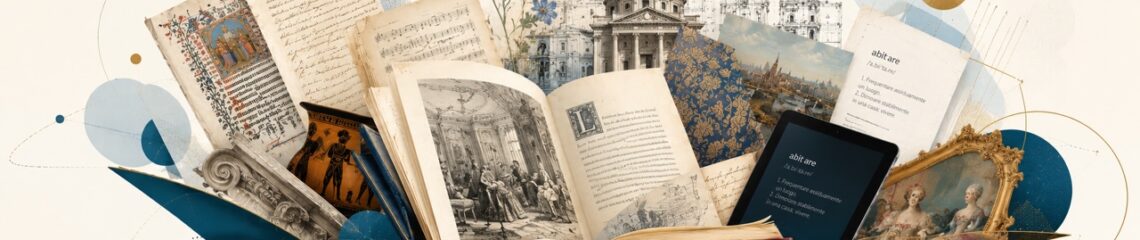
La collana SCRIGNI. Scritture e segni nelle arti e nelle letterature si propone di esplorare, in una prospettiva diacronica e transnazionale, l’intreccio fecondo tra arti e letterature, con un’attenzione particolare alle rappresentazioni letterarie, artistiche e materiali della casa, nonché al ruolo e alla funzione della cultura materiale nella letteratura. Attraverso un approccio interdisciplinare, i volumi si rivolgono a studiosi interessati a indagare le molteplici connessioni che legano forme espressive diverse e i loro contesti culturali e sociali, offrendo una riflessione approfondita e aggiornata sui processi di intermedialità, adattamento e trasformazione culturale.
Nel primo ambito, “Arti e Letterature”, la collana accoglie contributi che affrontano fenomeni di intermedialità e ibridazione artistica, analizzando forme di incrocio tra letterature, arti visive, musica, performance e nuove tecnologie. Tali forme vengono considerate nella loro evoluzione storica e diffusione globale, per cogliere come la contaminazione tra media differenti plasmi linguaggi e narrazioni in continuo mutamento. Particolare rilievo è dato anche alle corrispondenze e alle dinamiche di traduzione/transmediazione, adattamento e risignificazione che permettono il dialogo interculturale e l’innovazione formale inter artes. Inoltre, la collana si interessa alle rappresentazioni del corpo e dell’identità, intese come narrazioni complesse che evolvono in relazione a mutamenti storici, estetici, geografici e sociali.
Il secondo ambito, “Cultura materiale e letteratura”, pone al centro l’analisi degli oggetti materiali – arredi, utensili, abiti – nei testi letterari e visivi, esplorandone il valore narrativo e simbolico. La materialità è letta come veicolo di memorie, pratiche e relazioni sociali, contribuendo alla costruzione di mondi di senso e identità culturali, oltre la sola funzione estetica. In questo ambito si inserisce anche lo studio delle case museo di letterati, luoghi dove la casa e gli oggetti del vivere e del comporre si fanno racconto biografico e culturale, in cui oggetti, spazi e testi concorrono a costruire una narrazione -pubblica e privata al tempo stesso- dell’autore e del suo lascito.
Il terzo ambito, “Studi sull’abitare e rappresentazioni della casa”, indaga l’evoluzione storica delle rappresentazioni della casa e dello spazio domestico in senso letterario, artistico e materiale. Si esaminano i cambiamenti nella percezione e nella funzione della casa, vista come spazio identitario e sociale, legato a dinamiche di classe, genere, etnia e appartenenza culturale. Particolare attenzione è riservata ai modi dell’abitare connessi a migrazioni, spazi ibridi e fenomeni transnazionali: case “in transito”, rifugi, luoghi diasporici, in cui si intrecciano memoria, identità e trasformazioni storiche.
L’innovatività della collana SCRIGNI risiede nel suo approccio integrato, che mette in dialogo letteratura, arti, cultura materiale e studi sull’abitare, superando le tradizionali separazioni disciplinari. In tal modo, si aprono nuove prospettive interpretative e si valorizza la complessità dei fenomeni culturali in una dimensione globale e storicamente articolata. La collana ambisce così a contribuire in modo significativo alla ricerca contemporanea, offrendo una comprensione più ricca delle culture materiali e immateriali che definiscono l’esperienza umana in dialogo con le arti.
TEMI TRATTATI:
1. Arti e Letterature
Forme di incrocio tra letteratura, arti visive, musica, performance e nuove tecnologie, considerate nella loro evoluzione storica e diffusione globale.
Analisi di simboli, miti e temi ricorrenti che attraversano testi letterari e opere artistiche in diversi periodi e contesti.
Come testi letterari e opere artistiche vengono tradotti, adattati o riscritti in nuovi linguaggi e forme artistiche, creando dialoghi interculturali e intermediali.
Studio delle immagini e delle narrazioni del corpo nelle arti e nella letteratura, e come esse mutano nel tempo e nello spazio culturale.
2. Cultura materiale e letterature
3. Studi sull’abitare e rappresentazioni letterarie della casa
Come cambia la percezione, la rappresentazione e la funzione della casa nella letteratura e nelle arti nel tempo, in diverse culture.
Analisi della casa come luogo di costruzione dell’identità legata a classe, genere, etnia e appartenenza culturale.
Rappresentazioni di case in transito, spazi ibridi e abitazioni legate a migrazioni e diaspora.
DIRETTORE: Professore Ordinario di Letteratura inglese presso l’Università della Tuscia dal 2015. In precedenza, ha ricoperto i ruoli di professore associato e ricercatore. È autrice di 19 libri e oltre 100 articoli e capitoli di libri pubblicati in Italia e all’estero. Due curatele sono in corso di stampa. È stata vincitrice di premi assegnati dall’Accademia dei Lincei, dalla European Society for the Study of English, dalla American Society for Eighteenth-century Studies; ha inoltre vinto due borse di ricerca finanziate dallo European Council. Dal 2017 è Senior Associate del Lucy Cavendish College (University of Cambridge). Svolge attività di revisore esperto per numerose istituzioni e commissioni a livello internazionale, nonché regolare peer-reviewing e reviewing per numerose case editrici internazionali e riviste scientifiche in Italia e all’estero. È membro del collegio dei docenti del Dottorato di Ricerca in English Studies dell’Università di Chieti. È stata componente designato GEV10 per Letteratura Inglese nella VQR 2020-2024 (ANVUR).
ORCID delle pubblicazioni (inclusi euristica materiale, studi interartistici e studi sulle case in letteratura)
CONDIRETTORE: Professore Ordinario di Letteratura Inglese presso l’Università ‘G. d’Annunzio’ di Chieti Pescara dal 2018. In precedenza, ha ricoperto i ruoli di professore associato e ricercatore. Ricopre diversi incarichi istituzionali, tra cui la direzione del CUSVE (Centro Universitario di Studi Vittoriani ed Edoardiani) e il coordinamento del Dottorato di ricerca in English Studies; ha inoltre svolto numerose mansioni per il Ministero dell’Università, tra cui Commissario nazionale ASN. È autrice e curatrice di 18 libri e numerosissimi articoli e capitoli pubblicati in sede internazionale. La sua attività di ricerca include l’organizzazione di numerosi convegni e seminari, la direzione di collane scientifiche (“Nuova Armorica”, Solfanelli; “Erewhon”, Edizioni Croce) e la partecipazione a comitati di redazione ed editoriali (per Pacini, Solfanelli, Rivista di Studi Vittoriani e Merope). Svolge attività di peer-reviewing e reviewing per numerose case editrici internazionali e riviste scientifiche in Italia e all’estero. È responsabile di PRIN nazionali e di scambi didattici e di ricerca con le maggiori università italiane e con soci stranieri, tra cui Malta e UK.
CV completo (inclusi studi sulla relazione tra cultura materiale e rappresentazioni della Monarchia, studi interartistici e studi sulle case in letteratura)
COMITATO SCIENTIFICO:
Prof. Francesca Saggini (che dirige la collana) – Ordinario, Letteratura Inglese Università della Tuscia. Specializzata in euristica materiale e rappresentazioni degli autori.
Prof. Anna Enrichetta Soccio (che co-dirige la collana) – Ordinario, Letteratura Inglese, Università di Chieti-Pescara. Specializzata in studi interartistici e transculturali, con particolare attenzione ai XIX e XX secoli.
Prof. Elisa Bizzotto – Ordinario, Letteratura Inglese IUAV (Venezia). Specializzata in Estetismo, Decadentismo e primo Novecento. Privilegia approcci interartistici e transculturali.
Prof. Francesca Orestano – Ordinario, Letteratura Inglese Università Statale di Milano (in quiescenza). Specializzata in rapporti tra arti e letteratura dal Settecento alla contemporaneità.
Prof. Patrizia Mania – Associata, Storia dell’Arte Contemporanea Università della Tuscia.
Prof. Valerio Viviani – Ordinario, Letteratura Inglese Università della Tuscia.
Prof. Diego Saglia – Ordinario, Letteratura Inglese Università di Parma e membro del comitato scientifico del Museo Byron a Palazzo Guiccioli (Ravenna).
Prof. Federica Caneparo – Research Associte Professor, Early Modern Italian Literature and Art University of Chicago. Specializzata nell’intreccio tra letteratura e produzione artistica nell’Italia rinascimentale.
Prof. Gloria Lauri-Lucente – Full Professor, Letteratura Italiana e Direttore dello Institute of Anglo-Italian Studies, University of Malta.
Prof. Kim Salmons – Full Professor, Letteratura Inglese e Head of the School of Liberal and Creative Arts St Mary’s University (London).
Prof. Agostino De Rosa – Ordinario e architetto, Fondamenti e applicazioni di geometria descrittiva e Teoria e storia dei metodi di rappresentazione IUAV (Venezia)
Prof. Jeremy Musson – Independent scholar, broadcaster and English TV personality. Specializzato nelle case in letteratura.
Prof. Gino Roncaglia – Ordinario, Editoria digitale, Digital Humanities e Filosofia dell’Informazione Università Roma 3. Specializzato nelle forme dei nuovi media.
Prof. Maria Cristina Fumagalli – Professor Emeritus, Caribbean Literature University of Essex. Specializzata nelle letterature, le culture e le arti visive dei Caraibi e delle sue diaspore.
Prima uscita prevista della collana:
In Erato’s Rooms. The Spaces and Objects of Inspiration and Creativity
A cura di Francesca Saggini e Kim Salmons
Anno di uscita: 2027
Progetto scientifico
Questo volume esplora gli spazi e gli oggetti che ispirano gli autori e sostengono la loro vita creativa, muovendosi dalle grotte ai padiglioni da giardino, dalle scrivanie alle conchiglie, dagli interni costruiti agli ambienti naturali. Parte dal presupposto che l’autorialità non sia mai del tutto astratta, ma sia modellata da contesti materiali, pratiche quotidiane e legami affettivi. Strumenti di scrittura, stanze, case, giardini, ornamenti, oggetti cari, spiriti tutelari dei luoghi e perfino animali amati possono tutti entrare nell’ecologia della creazione letteraria. Senza trascurare la lunga e spesso controversa storia dei dibattiti sulla creatività e l’ispirazione, il volume riapre queste questioni attraverso un nuovo dialogo interdisciplinare tra euristiche materiali, studi sull’autorialità, storia della scrittura, critica letteraria, scrittura creativa e antropologia. Curata e introdotta da Francesca Saggini, la raccolta riunisce studiosi italiani e internazionali lungo due linee di ricerca strettamente connesse. La prima si concentra sugli oggetti d’uso e d’affezione, considerando come essi accompagnino, plasmino e talvolta perfino definiscano il mondo immaginativo e testuale dello scrittore. La seconda si rivolge agli spazi della creazione, in particolare allo studio, alla casa e ai più ampi contesti domestici o ambientali in cui gli autori hanno vissuto e lavorato. Nella sua parte conclusiva, il volume estende questa indagine oltre la dimensione intima degli oggetti, delle stanze e delle abitazioni, aprendosi alla città stessa come più ampio luogo dell’autorialità: uno spazio non solo di creazione, ma anche di ri-creazione autoriale, trasformazione e riconfigurazione.
I partecipanti, con le rispettive istituzioni di afferenza, sono Amy Wilcokson (Queen Mary, University of London); Anna Mercer (Cardiff University-Keats House, Hampstead); Dan Poston (Colgate University, USA); Diego Saglia (Università di Parma-Museo di Byron e del Risorgimento, Ravenna); Ella Kilgallon (Director, Keats-Shelley House, Roma); Francesca Orestano (emerita, Università di Milano); Lorna Clark (Carleton University, Canada); Marco Canani (Università di Milano); Maximiliaan Van Woudenberg, Sheridan College, Canada); Paolo Bugliani (Università di Pisa); Silvia Davoli (Curator, Strawberry Hill); Valerio Viviani (Università della Tuscia).
La lingua della pubblicazione è l’inglese.
_____________________________________________________________________________________________________________________________________________________________________________
The series SCRIGNI. Writings and Signs in the Arts and Literatures aims to explore, from a diachronic and transnational perspective, the fruitful intertwining of the arts and literatures, with particular attention to literary, artistic, and material representations of the home, as well as to the role and function of material culture in literature. Through an interdisciplinary approach, the volumes are intended for scholars interested in investigating the multiple connections linking different forms of expression and their cultural and social contexts, offering an in-depth and up-to-date reflection on processes of intermediality, adaptation, and cultural transformation.
In the first area, “Arts and Literatures”, the series welcomes contributions addressing phenomena of intermediality and artistic hybridisation, analysing forms of intersection between literature, visual arts, music, performance, and new technologies. These forms are considered in their historical development and global dissemination, in order to understand how the contamination between different media shapes constantly evolving languages and narratives. Particular emphasis is also placed on correspondences and dynamics of translation/transmediation, adaptation, and re-signification that enable intercultural dialogue and formal innovation inter artes. In addition, the series is concerned with representations of the body and identity, understood as complex narratives that evolve in relation to historical, aesthetic, geographical, and social changes.
The second area, “Material Culture and Literature”, focuses on the analysis of material objects – furnishings, utensils, clothing – in literary and visual texts, exploring their narrative and symbolic value. Materiality is understood as a vehicle for memories, practices, and social relationships, contributing to the construction of worlds of meaning and cultural identities beyond their purely aesthetic function. This area also includes the study of the house museums of writers, places where the home and the objects associated with living and writing become a biographical and cultural narrative, in which objects, spaces, and texts together construct a narrative – public and private at the same time – of the author and their legacy.
The third area, “Studies of Dwelling and Representations of the Home”, investigates the historical evolution of representations of the home and domestic space in literary, artistic, and material terms. It examines changes in the perception and function of the home, understood as an identity-based and social space, connected to dynamics of class, gender, ethnicity, and cultural belonging. Particular attention is devoted to forms of dwelling connected with migration, hybrid spaces, and transnational phenomena: “homes in transit”, shelters, diasporic places, in which memory, identity, and historical transformations intersect.
The innovative character of the SCRIGNI series lies in its integrated approach, which brings literature, the arts, material culture, and studies of dwelling into dialogue, moving beyond traditional disciplinary divisions. In this way, new interpretative perspectives are opened up and the complexity of cultural phenomena is highlighted within a global and historically articulated dimension. The series thus aims to make a significant contribution to contemporary research, offering a richer understanding of the material and immaterial cultures that define human experience in dialogue with the arts.
TOPICS COVERED:
1. Arts and Literatures
Forms of intersection between literature, visual arts, music, performance, and new technologies, considered in their historical evolution and global dissemination.
Analysis of recurring symbols, myths, and themes that run through literary texts and works of art across different periods and contexts.
How literary texts and artistic works are translated, adapted, or rewritten into new languages and artistic forms, creating intercultural and intermedial dialogues.
Study of images and narratives of the body in the arts and literature, and of how they change over time and across cultural space.
2. Material Culture and Literatures
3. Studies of Dwelling and Literary Representations of the Home
How the perception, representation, and function of the home change over time in literature and the arts, across different cultures.
Analysis of the home as a place for the construction of identity connected to class, gender, ethnicity, and cultural belonging.
Representations of homes in transit, hybrid spaces, and dwellings connected to migration and diaspora.
DIRECTOR: Full Professor of English Literature at the University of Tuscia since 2015. Previously, she held the positions of Associate Professor and Researcher. She is the author of 19 books and more than 100 articles and book chapters published in Italy and abroad. Two edited volumes are currently in press. She has received awards from the Accademia dei Lincei, the European Society for the Study of English, and the American Society for Eighteenth-Century Studies; she has also received two research grants funded by the European Research Council. Since 2017, she has been a Senior Associate of Lucy Cavendish College (University of Cambridge). She serves as an expert reviewer for numerous international institutions and committees, as well as regularly undertaking peer review and reviewing for numerous international publishing houses and academic journals in Italy and abroad. She is a member of the PhD teaching board in English Studies at the University of Chieti. She was a designated member of GEV10 for English Literature in the VQR 2020–2024 (ANVUR).
ORCID for publications (including material heuristics, interart studies, and studies of houses in literature)
CO-DIRECTOR: Full Professor of English Literature at the “G. d’Annunzio” University of Chieti-Pescara since 2018. Previously, she held the positions of Associate Professor and Researcher. She holds several institutional positions, including Director of CUSVE (Centro Universitario di Studi Vittoriani ed Edoardiani) and coordinator of the PhD programme in English Studies; she has also carried out numerous assignments for the Ministry of Universities, including serving as a national ASN commissioner. She is the author and editor of 18 books and numerous articles and book chapters published internationally. Her research activity includes the organisation of numerous conferences and seminars, the direction of academic series (“Nuova Armorica”, Solfanelli; “Erewhon”, Edizioni Croce), and participation in editorial and scientific boards (for Pacini, Solfanelli, Rivista di Studi Vittoriani, and Merope). She regularly undertakes peer review and reviewing for numerous international publishing houses and academic journals in Italy and abroad. She is responsible for national PRIN projects and for teaching and research exchanges with major Italian universities and international partners, including Malta and the UK.
Full CV (including studies on the relationship between material culture and representations of the Monarchy, interart studies, and studies of houses in literature)
SCIENTIFIC COMMITTEE:
Prof. Francesca Saggini (who directs the series) – Full Professor, English Literature, University of Tuscia. Specialised in material heuristics and representations of authors.
Prof. Anna Enrichetta Soccio (who co-directs the series) – Full Professor, English Literature, University of Chieti-Pescara. Specialised in interart and transcultural studies, with particular attention to the nineteenth and twentieth centuries.
Prof. Elisa Bizzotto – Full Professor, English Literature, IUAV (Venice). Specialised in Aestheticism, Decadentism, and the early twentieth century. She favours interart and transcultural approaches.
Prof. Francesca Orestano – Full Professor, English Literature, University of Milan (retired). Specialised in the relationships between the arts and literature from the eighteenth century to the present.
Prof. Patrizia Mania – Associate Professor, Contemporary Art History, University of Tuscia.
Prof. Valerio Viviani – Full Professor, English Literature, University of Tuscia.
Prof. Diego Saglia – Full Professor, English Literature, University of Parma and member of the scientific committee of the Byron Museum at Palazzo Guiccioli (Ravenna).
Prof. Federica Caneparo – Research Associate Professor, Early Modern Italian Literature and Art, University of Chicago. Specialised in the interweaving of literature and artistic production in Renaissance Italy.
Prof. Gloria Lauri-Lucente – Full Professor, Italian Literature and Director of the Institute of Anglo-Italian Studies, University of Malta.
Prof. Agostino De Rosa – Full Professor and architect, Foundations and Applications of Descriptive Geometry and Theory and History of Representation Methods, IUAV (Venice).
Prof. Jeremy Musson – Independent scholar, broadcaster and English TV personality. Specialised in houses in literature.
Prof. Gino Roncaglia – Full Professor, Digital Publishing, Digital Humanities and Philosophy of Information, University of Roma Tre. Specialised in new media forms.
Prof. Maria Cristina Fumagalli – Professor Emeritus, Caribbean Literature, University of Essex. Specialised in the literatures, cultures, and visual arts of the Caribbean and its diasporas.
First planned publication of the series:
In Erato’s Rooms. The Spaces and Objects of Inspiration and Creativity
Edited by Francesca Saggini and Kim Salmons
Publication year: 2027
Scientific project
This volume explores the spaces and objects that inspire authors and support their creative lives, ranging from caves to garden pavilions, from desks to seashells, from built interiors to natural environments. It starts from the premise that authorship is never entirely abstract, but is shaped by material contexts, everyday practices, and affective bonds. Writing tools, rooms, houses, gardens, ornaments, cherished objects, tutelary spirits of places, and even beloved animals can all enter the ecology of literary creation. Without overlooking the long and often controversial history of debates on creativity and inspiration, the volume reopens these questions through a new interdisciplinary dialogue among material heuristics, authorship studies, the history of writing, literary criticism, creative writing, and anthropology. Edited and introduced by Francesca Saggini, the collection brings together Italian and international scholars along two closely connected lines of research. The first focuses on objects of use and affection, considering how they accompany, shape, and sometimes even define the writer’s imaginative and textual world. The second turns to the spaces of creation, particularly the study, the home, and the broader domestic or environmental contexts in which authors have lived and worked. In its concluding section, the volume extends this investigation beyond the intimate dimension of objects, rooms, and dwellings, opening up to the city itself as a broader site of authorship: a space not only of creation, but also of authorial re-creation, transformation, and reconfiguration.
The participants, together with their respective affiliated institutions, are Amy Wilcokson (Queen Mary, University of London); Anna Mercer (Cardiff University–Keats House, Hampstead); Dan Poston (Colgate University, USA); Diego Saglia (University of Parma–Byron and Risorgimento Museum, Ravenna); Ella Kilgallon (Director, Keats-Shelley House, Rome); Francesca Orestano (emerita, University of Milan); Lorna Clark (Carleton University, Canada); Marco Canani (University of Milan); Maximiliaan Van Woudenberg (Sheridan College, Canada); Paolo Bugliani (University of Pisa); Silvia Davoli (Curator, Strawberry Hill); Valerio Viviani (University of Tuscia).
The language of publication is English.
 caricamento in corso
